Month-by-Month Vegetable Planting in North Carolina
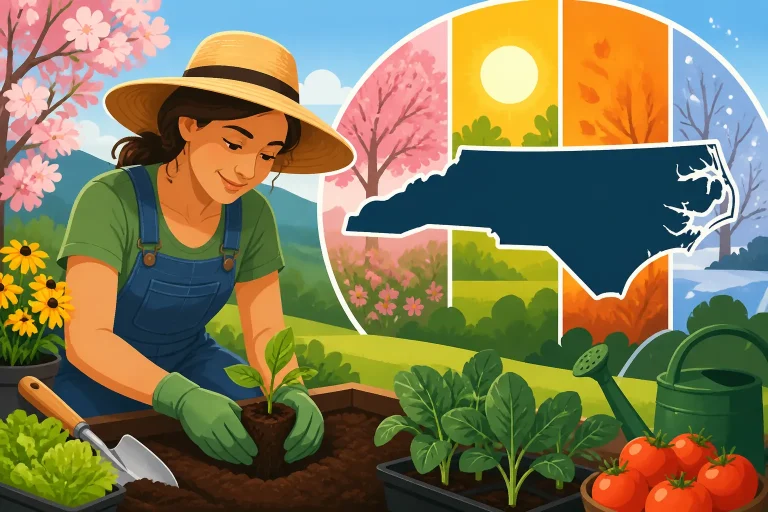
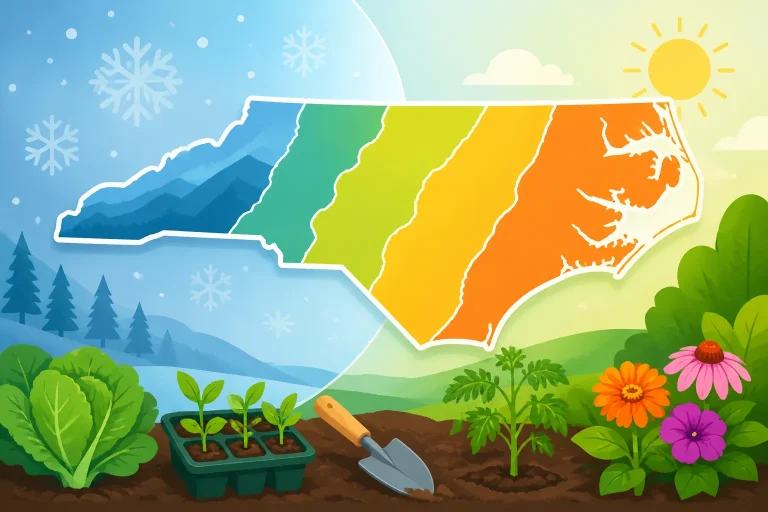
North Carolina’s long shape creates several different gardening calendars: a planting window on the coast may arrive weeks before the same opportunity in the mountains. This month-by-month schedule helps you choose crops, adjust for your region, and avoid planting tender vegetables into cold soil or summer heat. Treat each month as a planning cue, then check local weather and your garden’s conditions.
How to Use a North Carolina Vegetable Planting Calendar
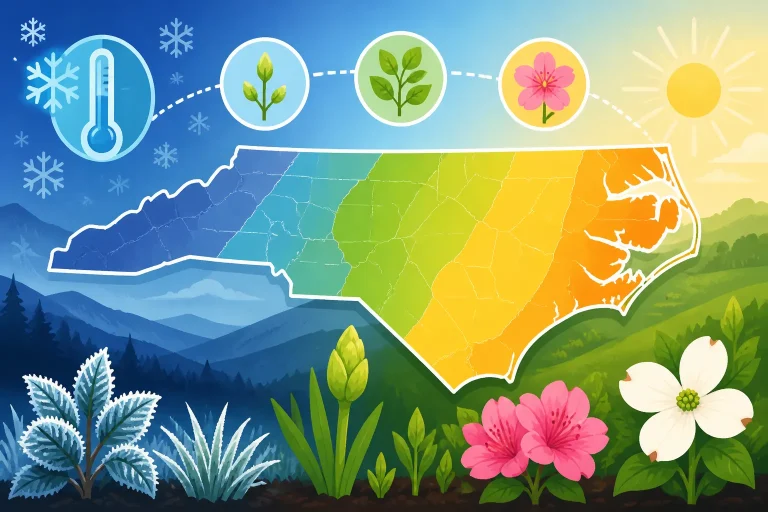
A calendar is a useful starting point, not a promise that every crop will succeed on a particular date. North Carolina’s Coastal Plain, Piedmont, and mountain areas have different frost patterns, elevations, and soil conditions. Even within one region, a low spot, a slope, or a sheltered urban yard can change how quickly a bed warms or cools.
Use three checks before planting:
- Identify your region and site. The coast generally warms earlier and stays warm later than inland areas. Piedmont conditions fall between coastal and mountain patterns, while higher-elevation mountain gardens can have a shorter, cooler growing season. For a closer look at local differences, see North Carolina Planting Regions: Coastal, Piedmont, or Mountain? No: internal links syntax only bracket title, no URL. Must remove link URLs. Use exact bracket alone.
-
Check frost risk. Average frost dates describe probabilities, not fixed deadlines. A forecast and the conditions in your own yard matter more than a holiday rule. Tender crops can be damaged by a late freeze even when a calendar suggests spring planting. Why Spring Frost Dates Vary Widely Across North Carolina
Need bracket title alone no anything after. Correct[North Carolina Planting Regions: Coastal, Piedmont, or Mountain?]. No hyperlink markdown conventional? Their instruction says bracketed title alone. -
Check the soil and crop. Cool-season crops can often grow in cool conditions; warm-season crops need warmer soil and nights. Frost Dates vs Soil Warmth: When to Plant in North Carolina teaches distinction. A sunny, well-drained bed may be ready sooner than a shaded or wet one.
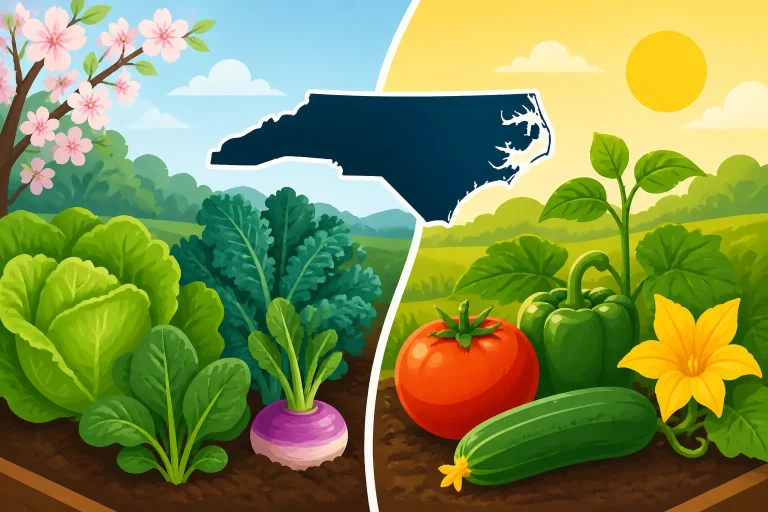
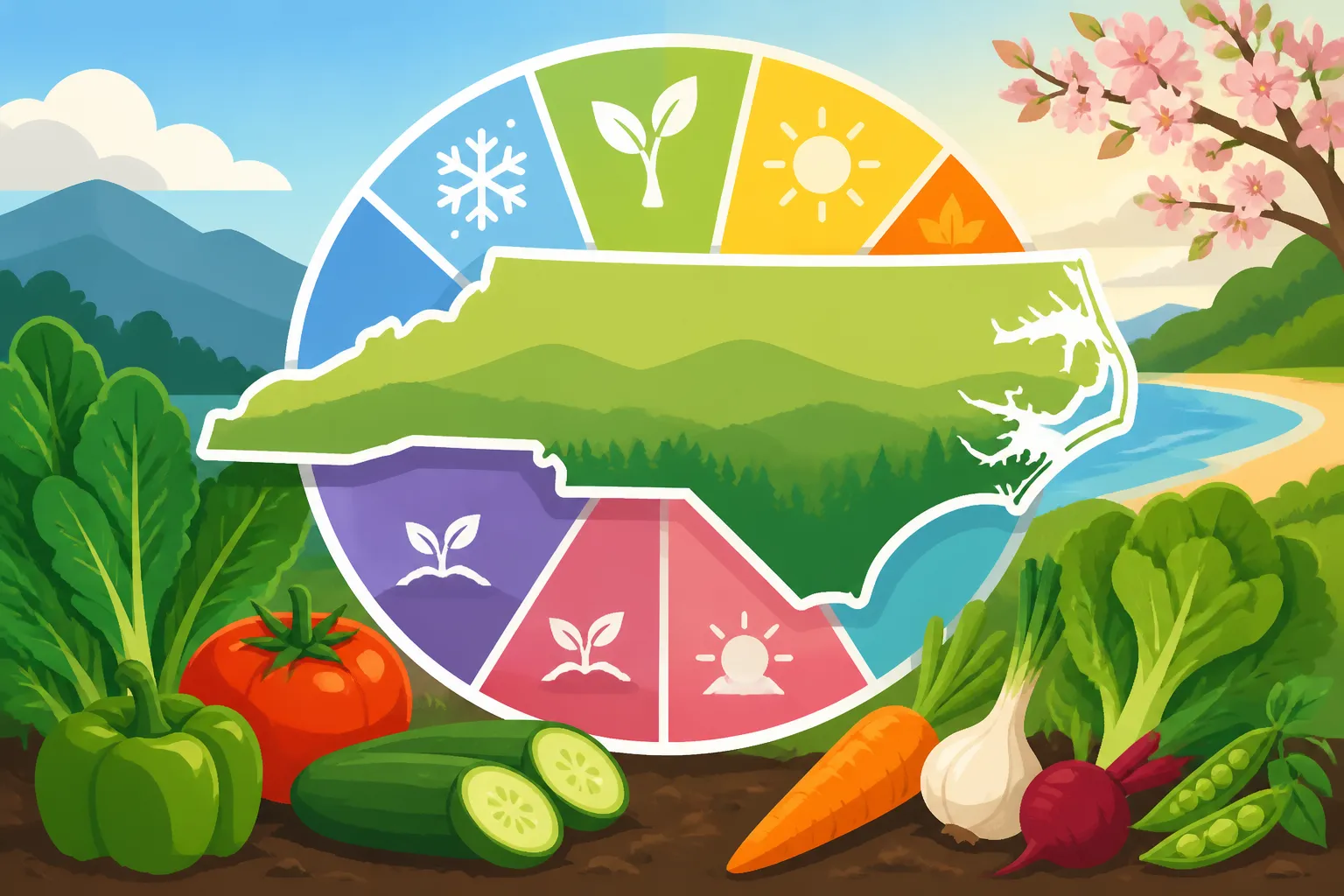
Think of planting in three broad waves. Cool-season crops such as peas, lettuce, spinach, radishes, and many brassicas grow best in cooler weather. Warm-season crops such as tomatoes, peppers, beans, squash, and cucumbers need warmth. A second cool-season wave begins in late summer and autumn, when you sow crops for fall harvest.
The table is a broad guide rather than a set of statewide deadlines. “Start indoors” means sowing seed in a protected place for later transplanting; “direct sow” means sowing seed where the crop will grow. Regional adjustments and weather can shift these windows.
| Month | Common planting focus | Main caution |
|---|---|---|
| January | Plan; start selected long-season crops indoors | Outdoor soil is often cold or wet |
| February | Start some spring crops indoors; prepare beds when workable | Do not work saturated soil |
| March | Sow cool-season crops; set out hardy transplants in suitable sites | Late freezes remain possible |
| April | Continue cool crops; begin warm crops in warmer locations | Protect tender plants from cold |
| May | Plant warm-season vegetables as conditions allow | Soil warmth matters more than the calendar |
| June | Sow heat-loving crops; maintain earlier plantings | Heat, weeds, and moisture stress |
| July | Harvest, replant selected crops, and plan fall beds | High heat can hinder germination |
| August | Begin fall sowings, with timing adjusted by region | Shade and moisture help seedlings establish |
| September | Sow fall greens and roots; continue suitable warm crops | Allow enough time before cold weather |
| October | Plant hardy fall crops in favorable windows | First freezes vary by location |
| November | Harvest and protect remaining crops; sow only where appropriate | Growth slows as days cool |
| December | Harvest hardy crops and plan next season | Avoid planting into frozen or waterlogged beds |
January and February: Plan Ahead and Start Select Crops Indoors
January
January is usually a planning month for vegetable gardens rather than a time for broad outdoor sowing. Cold, wet, or compacted soil is easily damaged by digging and foot traffic, so wait until a bed is workable before preparing it. If the soil sticks to tools or forms slick clods, leave it alone and return when it has drained.
Use the quieter month to decide what you want to harvest, review last season’s successes, and sketch a realistic bed plan. Consider how much sun each area gets, where water collects, and whether taller crops could shade shorter ones. A simple plan also helps you rotate crop families instead of planting the same type of vegetable in the same spot year after year. See Rotating Vegetable Families to Protect North Carolina Harvests for more on that approach.
Some gardeners start selected vegetables indoors in January, especially crops that need a longer period to develop before transplanting. Whether that makes sense depends on the crop, your equipment, and your local spring conditions. Starting seed too early can produce leggy, crowded plants that are difficult to hold indoors. Check seed-packet guidance and count backward from a realistic transplant window, not from the first warm afternoon.
If you do not have lights or a suitable indoor space, buying healthy transplants later can be simpler. For a comparison of the two methods, see Direct Sowing vs Indoor Seed Starting for Early Carolina Springs.
February
February can bring tempting warm spells, but a short spell of mild weather does not mean spring has settled in. Use the month to prepare containers, clean tools, organize seeds, and repair supports. When the bed is dry enough to work, you can loosen compacted areas and incorporate appropriate organic matter without pulverizing the soil.
In milder parts of the state, gardeners may begin sowing selected cool-season crops outdoors when soil conditions allow. Peas, leafy greens, and root crops are more suited to cool weather than tomatoes or beans, but seed germination still depends on suitable soil conditions. In colder mountain locations, outdoor planting may need to wait longer. The same statewide month can represent very different garden conditions.
If you start seedlings indoors, provide strong light and avoid keeping them too warm with too little light. Water enough to keep the growing medium from drying out, but do not leave containers constantly waterlogged. Keep a plan for gradually acclimating seedlings to outdoor conditions; a plant moved directly from a protected indoor space into strong sun, wind, or cold may be stressed. Starting Seedlings Indoors for North Carolina Summers offers more detail on managing indoor starts.
A good February goal is readiness, not rushing. Having beds, labels, supports, and seeds prepared makes it easier to use a favorable planting window when it arrives.
March and April: Build the Cool-Season Garden
March and April are active months for cool-season vegetables, but the right timing depends on where you garden and how the season is unfolding. Coastal sites often become workable earlier than inland or high-elevation beds. Piedmont gardeners should watch both soil condition and forecasts, while mountain gardeners may need to hold off on some outdoor work until cold conditions ease. Western NC Mountain Spring Planting: Navigating Late-April Freezes discusses the extra caution that can be useful in western gardens.
March
As soon as the soil is workable, consider sowing cool-season crops such as peas, radishes, spinach, lettuce, and other leafy greens. Some root crops and brassicas can also fit the spring garden, depending on local conditions and the crop’s preferred temperature range. A crop’s ability to tolerate a light frost does not mean it will thrive in cold, saturated ground.
Direct-sown seeds need good seed-to-soil contact and steady moisture while they germinate. If the top layer dries quickly, small seeds can fail to establish. Avoid sowing into a bed that is crusted, compacted, or still waterlogged. Where the weather is variable, sowing a small amount at a time can be more reliable than putting every seed in the ground at once.
Hardy transplants can go out when they are acclimated and the site is suitable, but keep protection available for a cold snap. Row covers or other temporary protection can reduce exposure, although they do not make a bed immune to severe weather. A simple way to reduce risk is to plant a modest first round and wait before committing the whole bed. For a broader look at crop tolerance, see Which North Carolina Crops Can Tolerate Light Spring Freezes?.
April
April often offers a mix of opportunities and false starts. Continue sowing cool-season crops in suitable conditions, and transplant hardened-off seedlings where the soil and forecast are appropriate. At the same time, start watching for the transition to warm-season crops. That transition does not happen on the same schedule everywhere in North Carolina.
Warm-season vegetables should not be rushed outdoors simply because the days feel pleasant. Cold nights and cool soil can slow establishment, and tender plants are more vulnerable to a late freeze. If you are unsure whether to move seedlings outdoors, When Is It Safe to Move Seedlings Outdoors in North Carolina? covers the key conditions to assess.
In warmer locations, gardeners may begin setting out some tender crops later in the month if conditions are favorable, but inland and mountain gardeners commonly need more patience. A raised bed or a sunny, sheltered corner can warm sooner than a low, exposed bed, yet a warm microclimate does not remove the need to monitor the forecast.
April is also a useful month to harvest spring greens regularly. Picking at a young stage can make the most of a short cool-weather window. As temperatures rise, some greens may bolt, or send up a flower stalk. That shift is a cue to harvest what remains and prepare the bed for a warm-season crop or a later planting.
May and June: Set Up the Warm-Season Garden
May and June are the core warm-season planting months for much of North Carolina, but the exact window still depends on location, soil warmth, and cold risk. Coastal gardens may be ready earlier than colder inland or mountain sites. Instead of planting everything at once, use local conditions to decide when to move each crop outdoors.
May
Once the soil has warmed and cold nights are less likely, gardeners can plant warm-season vegetables such as tomatoes, peppers, beans, cucumbers, squash, and other heat-loving crops. This is a broad list, not a guarantee that every crop belongs in every bed at the same time. Use the crop’s growing requirements and the conditions in your yard.
Transplants should be sturdy and acclimated to outdoor exposure. Water them in after planting and keep an eye on moisture while roots establish. Direct-sown crops need consistent moisture to germinate, especially when sunny days dry the surface quickly. Do not compensate for a dry surface by keeping the entire bed constantly wet; check the soil itself and adjust to the weather and site.
Planting too early can set a warm-season crop back. A plant that sits in cold soil may struggle to grow even if it survives. If you are deciding whether to wait, Waiting for Warm Soil Before Sowing Summer Vegetables in NC explains why temperature matters alongside frost risk.
Make room for mature plants. Crowded leaves reduce airflow and make it harder to reach fruit, weed, and inspect plants. Follow spacing guidance for the crop and variety, and install trellises or supports when they are easier to add before plants spread. If your space is limited, Container Vegetable Gardening for North Carolina can help you assess what is practical in pots.
June
June is generally a good time to keep warm-season beds productive. You can continue sowing some crops that grow quickly or tolerate heat, while also harvesting early plantings. The best choices depend on how much hot weather remains in your growing season and how long the crop needs to mature. Check the maturity information on the seed packet and consider the days available before your area typically cools.
Heat and moisture become central concerns. Young seedlings can dry out quickly, and mature plants may need more attention during hot, dry spells. Water the root zone rather than relying on a quick surface sprinkle, and adjust based on soil texture and recent rain. Watering North Carolina Gardens: Weekly Infiltration vs Schedules explains why checking how water moves into soil is more useful than following a rigid schedule.
Mulch can help moderate soil temperature and reduce moisture loss, but keep it from being piled against plant stems. Remove weeds while they are small so they do not compete for water and light. Inspect plants regularly for signs of stress, insect feeding, or disease; early attention is often easier than trying to correct a widespread problem.
June is also a useful time to make a fall-garden plan. Decide which beds will open up after early crops finish, and note when you can begin preparing them. Fall planting is not an afterthought: it requires sowing crops early enough to establish before days cool.
July and August: Harvest, Replant, and Prepare for Fall
High summer is a demanding time to establish many vegetables. Heat can reduce germination, dry the seedbed quickly, and stress transplants. Still, July and August are important months for keeping the garden productive, especially if you plan a fall harvest. Start fall crops in stages and adjust the schedule to your region rather than assuming one statewide date.
July
July is often a month for harvesting, tending, and making space. Pick ripe vegetables regularly, clear finished plants that are no longer productive, and remove diseased material from the garden rather than leaving it to decay among new crops. If a bed is temporarily empty, prepare it for a later planting without working soil that is too wet or too dry to handle well.
Some gardeners sow selected crops for fall during July, particularly in locations with a longer growing season or where the crop needs extra time to mature. In hot weather, seed may germinate poorly if the bed’s surface dries out. Use shade or other temporary protection for a seedbed when needed, and keep moisture steady while seedlings establish. Remove the protection or adjust it as conditions change so young plants can receive adequate light and airflow.
The summer-to-fall transition is especially important for leafy crops. Many cool-season vegetables need time to grow before autumn becomes cool enough for comfortable harvest. It is usually better to plan backward from your expected harvest period, using the crop’s stated maturity time as a guide and allowing for slower growth in less favorable conditions. Guide to Sowing Fall Vegetables and Cover Crops in NC provides a wider view of the fall transition.
August
August is a key fall-planting month across much of the state, though the best timing varies substantially by region and elevation. Coastal gardens can often hold summer conditions longer, while mountain gardens have less time before cold weather returns. Piedmont gardeners need to balance heat at planting time against the time fall crops need to mature. How Much Earlier Should Mountain Gardeners Sow Fall Crops? and How Far Into Autumn Can Coastal Plain Beds Delay Sowing? explain why those windows differ.
Continue sowing fall greens, roots, and other cool-season crops according to local guidance and the maturity needs of each crop. Heat can make germination unreliable, especially for small seeds near the surface. Keep seedbeds evenly moist, provide temporary shade when seedlings are vulnerable, and thin crowded seedlings after they emerge. Established plants usually handle changing conditions better than seedlings, so early care matters.
You can also transplant selected fall crops where the season allows, but young plants need protection from intense sun and drying wind. Water them well during establishment and avoid setting them out in the hottest part of the day. If summer crops are still occupying the bed, decide which ones are worth keeping. A tired plant that produces little may not be worth preserving at the expense of a well-timed fall crop.
For a detailed regional comparison, see When to Plant Fall Vegetables in Western Versus Eastern Regions. If you want to stagger harvests, sowing smaller batches at intervals can be more manageable than sowing the entire fall garden on one day.
September and October: Make the Most of the Fall Window
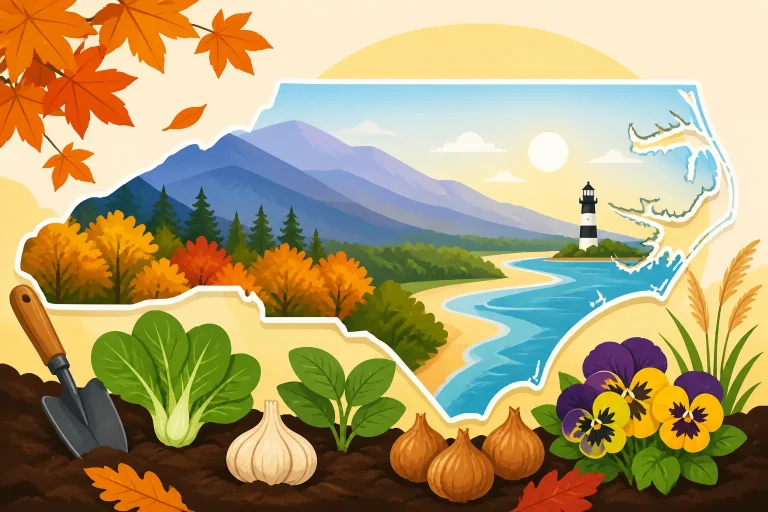
September and October can be productive months for leafy greens, root vegetables, and other crops that benefit from cooler weather. The main challenge is judging how much time remains for a crop to mature. The coastal region, Piedmont, and mountain areas do not share one autumn planting deadline, and an early cold spell can change the plan.
September
Continue sowing fall crops while the season and local conditions allow. Some vegetables grow quickly enough to provide a useful harvest from a later sowing; others need more time and may be a poor bet if planted too late. Check maturity information, then account for the fact that shortening days and cooler weather can slow growth.
In warmer parts of the state, September may still be suitable for planting selected crops that would struggle in earlier heat. In cooler mountain locations, prioritize crops with a realistic chance to mature before cold weather slows them. For a focused discussion of later sowing, see Is It Too Late to Plant Fall Vegetables in North Carolina?.
Keep newly sown beds moist while seeds germinate, especially if the weather stays warm and dry. A layer of mulch can conserve moisture around established plants, but avoid covering tiny seeds so deeply that they cannot emerge. Harvest regularly as crops become ready; frequent picking helps keep leafy vegetables usable and makes space for younger plantings.
September is also a good time to review whether beds are draining well after rain. Waterlogged soil can limit roots and damage crops, even when the weather is cool. If a bed stays wet, address the site problem before repeating the same planting pattern next season.
October
October often favors hardy vegetables and crops that can continue growing through cooler weather, but do not treat it as a universal end-of-season planting month. In some areas, the window remains open; elsewhere, the priority shifts toward harvesting, protecting established plants, and clearing spent crops. A local forecast is more useful than assuming the first cold night will arrive on a particular date.
Where conditions still allow, plant crops that can establish in cool weather and mature within the remaining season. In other locations, focus on harvesting mature vegetables before cold weather and using appropriate protection for crops that remain in the bed. Frost tolerance varies by crop and by plant stage, and protection has limits. For more on interpreting the difference, see Understanding Light Freezes vs Damaging Killing Freezes in NC.
October is also a reasonable time to remove weeds, diseased plants, and crop debris. Do not leave problem plants simply because the garden is winding down. Healthy plant residue may be handled differently from material showing signs of disease or pest damage; when uncertain, seek crop-specific guidance.
If you are planting a cover crop rather than a food crop, use its regional planting window and establishment needs. A cover crop sown too late may not grow enough to provide the intended soil benefits. Planting Dates for Winter Cover Crops Across NC Regions covers the regional considerations.
November and December: Harvest, Protect, and Reset
Late autumn and winter do not necessarily mean the garden is finished. Hardy crops may continue to provide harvests, especially in sheltered or milder sites, while other beds need cleanup and planning. The practical focus shifts from rapid growth to preserving what is already established and keeping soil in good condition.
November
Harvest remaining vegetables as they reach usable size and before a damaging cold spell when possible. Some hardy crops can remain in the garden through cooler weather, but the amount of protection needed depends on the crop, the temperature, and how exposed the bed is. A temporary cover can help moderate conditions, but it is not a substitute for choosing a crop suited to the season.
In warmer locations, some late sowing may still be possible for fast-growing or cold-tolerant crops. In colder sites, it is often more useful to maintain existing plantings than to start a new crop that will not have time to develop. If you are unsure whether your crop can handle the conditions, use local planting guidance and the seed packet’s maturity information rather than relying only on a statewide calendar.
Clear finished plants and remove diseased material. Where beds will remain empty, consider a suitable cover crop or a protective organic cover rather than leaving vulnerable soil exposed. Avoid walking on wet beds, which can compact soil and make spring preparation more difficult.
December
December is a time for harvesting what remains, checking stored supplies, and reviewing the season. Outdoor planting is limited by local climate and soil conditions; frozen, saturated, or very cold ground is not a useful seedbed. In milder areas, hardy crops may still be growing, but growth is slower and planting options are narrower than in spring or early autumn.
Make notes about which planting dates worked, which crops struggled, and where water pooled or dried out quickly. Record the location of each crop family so you can rotate beds in the next season. These notes do not need to be elaborate: a sketch and a few observations can make next year’s decisions easier.
Use the winter pause to plan a manageable succession schedule. Instead of filling every bed in one weekend, decide which crops you can sow in several small rounds. That spreads harvests over time and reduces the chance of having too much of one vegetable at once. For a broader seasonal task list, see North Carolina Annual Garden Calendar: Seasonal Tasks.
A calendar works best when it stays flexible. Planting by month gives you a framework; watching the weather, soil, and crop growth tells you when to act.
Frequently Asked Questions
Can I use the same planting dates across all of North Carolina?
No. The coast, Piedmont, and mountain regions differ in frost patterns, elevation, and seasonal temperatures. Use regional guidance, then adjust for your specific site and the current weather.
Should I plant vegetables on a fixed holiday schedule?
A holiday can be a reminder to check conditions, but it is not a dependable planting signal. Frost risk, soil warmth, and the crop’s tolerance are more useful than a date on the calendar.
What should I plant first in spring?
Start with cool-season crops that can grow in cooler conditions, such as peas and leafy greens, when soil is workable. Hold tender warm-season crops until local conditions are suitable.
How do I plan a fall vegetable garden?
Choose crops based on your region, the time they need to mature, and the remaining growing window. Sow in stages when practical, and protect young seedlings from summer heat while they establish.
Can I keep harvesting after the first frost?
Some crops tolerate cool weather better than others, but tolerance depends on the vegetable, its stage of growth, and the severity of the cold. Check crop-specific guidance and use protection when appropriate.
Disclaimer
This article is for general informational purposes only and does not constitute professional advice. Laws, prices and regulations vary by location and change over time. Consult a qualified professional for guidance on your specific situation. North Carolina Gardening Guide is not a government agency and is not affiliated with any university extension, state department of agriculture or other government agency.