Spring Planting in North Carolina: Cool vs Warm-Season Crops
Spring planting in North Carolina depends on crop type, region, soil warmth, and frost risk; cool-season vegetables can start earlier than tender summer crops.
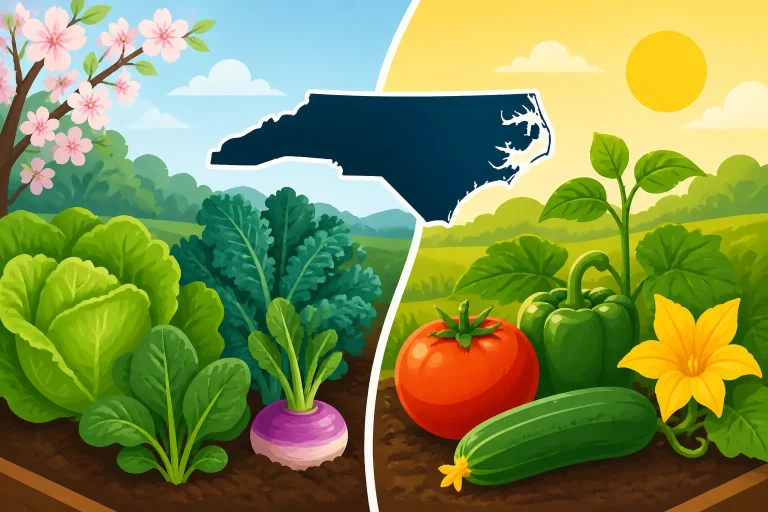
Spring planting in North Carolina depends on crop type, region, soil warmth, and frost risk; cool-season vegetables can start earlier than tender summer crops.
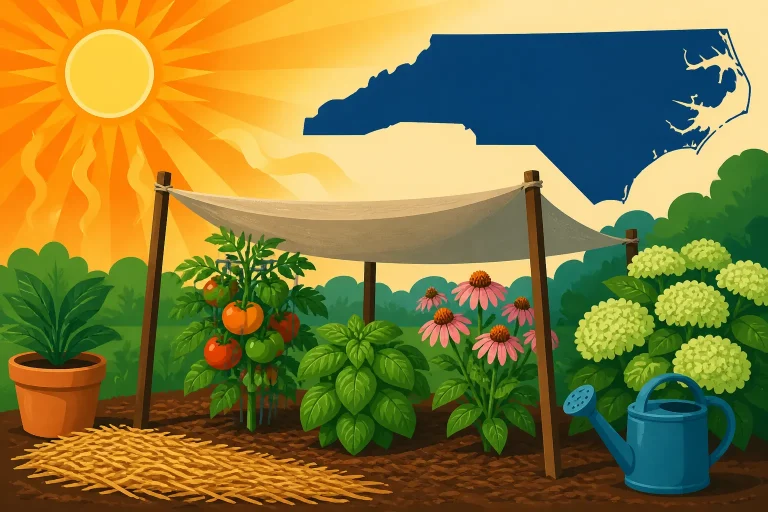
Protecting North Carolina garden plants during extreme summer heat starts with checking soil moisture, watering roots well, and using shade and mulch wisely.
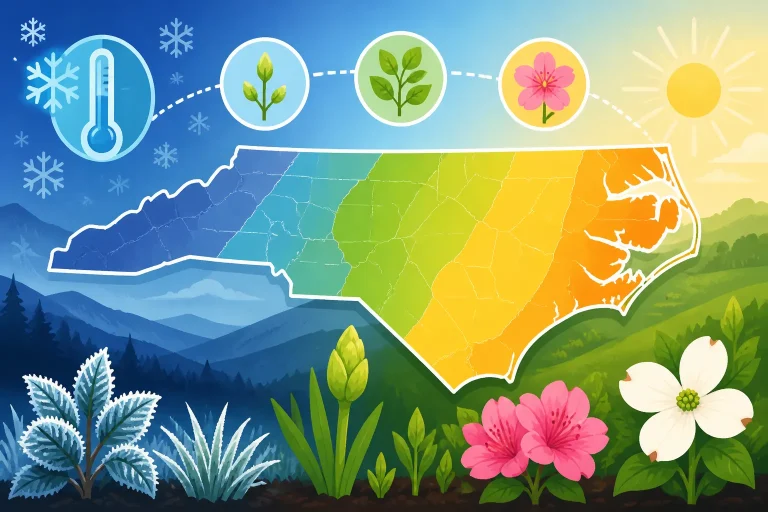
Why spring frost dates vary widely across North Carolina: elevation, coast, terrain, and local exposure matter more than a statewide calendar.
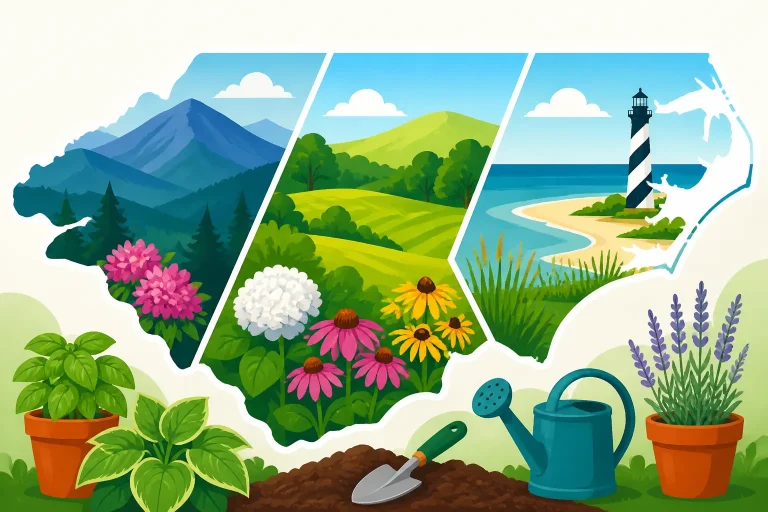
North Carolina planting regions differ in frost risk, soil, and season length; match crops to local conditions instead of relying on one statewide calendar.
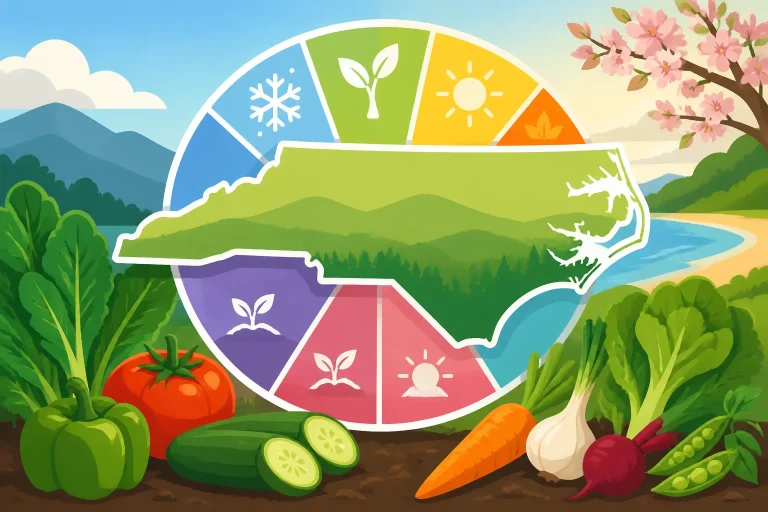
Month-by-month vegetable planting in North Carolina depends on region, soil warmth, and frost risk; flexible windows help time reliable crops.
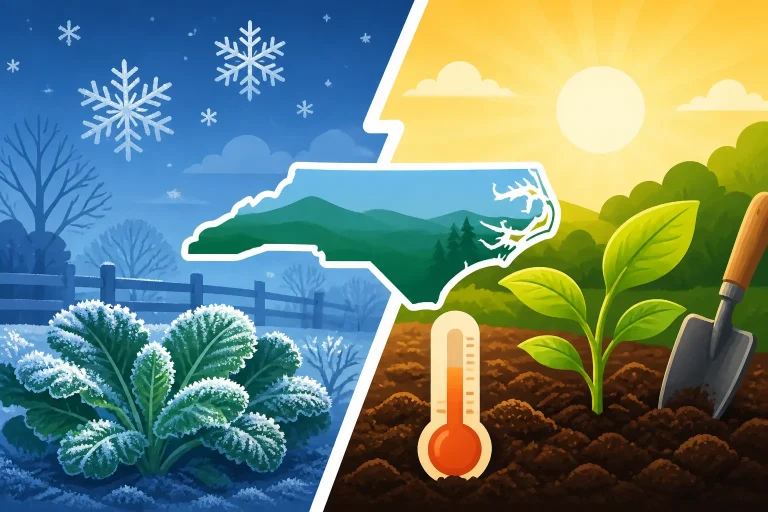
Frost dates and soil warmth answer different planting questions in North Carolina; use both, along with crop needs and your garden’s local conditions.
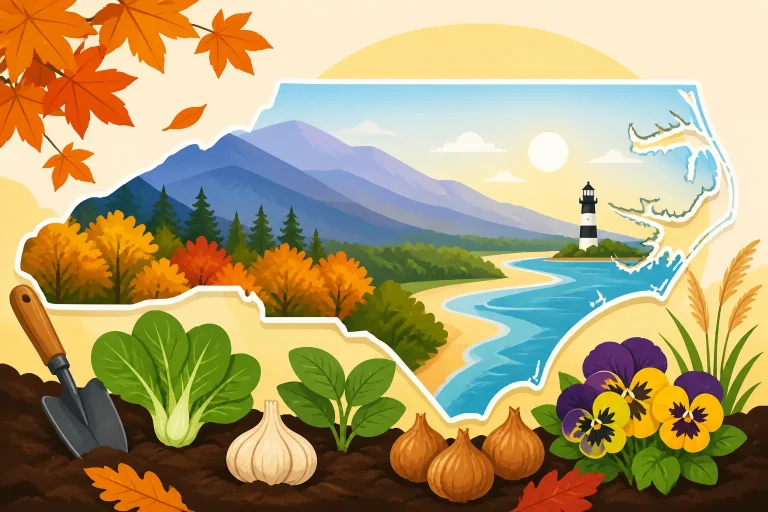
North Carolina fall planting varies from mountains to coast; match crops to local conditions, prepare beds well, and plan around changing weather.
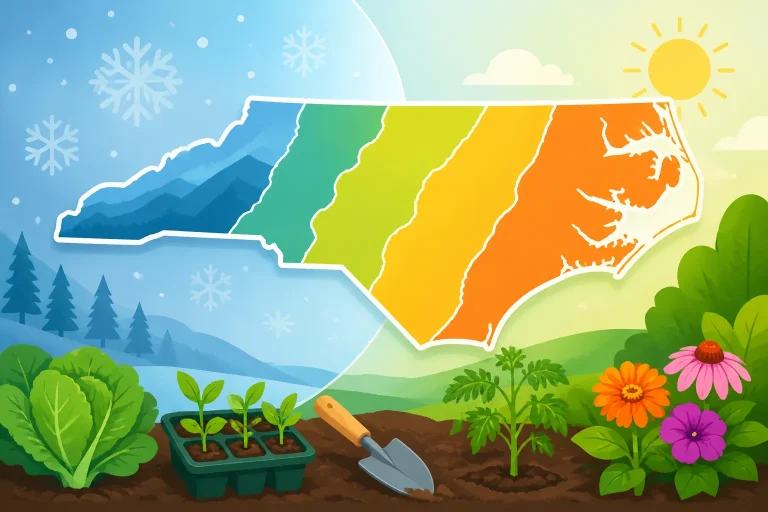
North Carolina planting dates depend on regional frost odds, soil warmth, and crop tolerance; use local probabilities to time spring and fall planting.
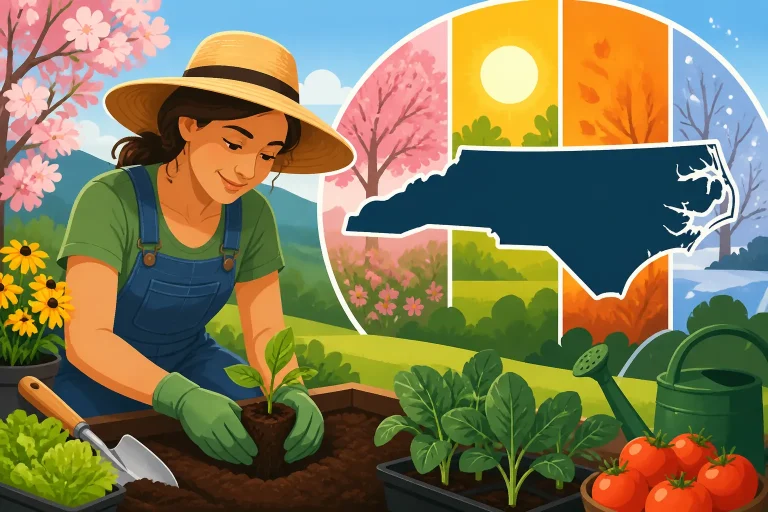
North Carolina planting depends on region, frost risk, soil warmth and crop type; use local conditions to decide what can go in the ground now.